On WhatsApp, your first message needs Meta’s approval
WhatsApp for business won't let you open a chat in your own words. Let the customer write first, answer within a day, and keep a few approved messages ready.
→

Explainer
Customers come back when something reminds them at the right time. Note when the next service is due, and send one short text a little before it.

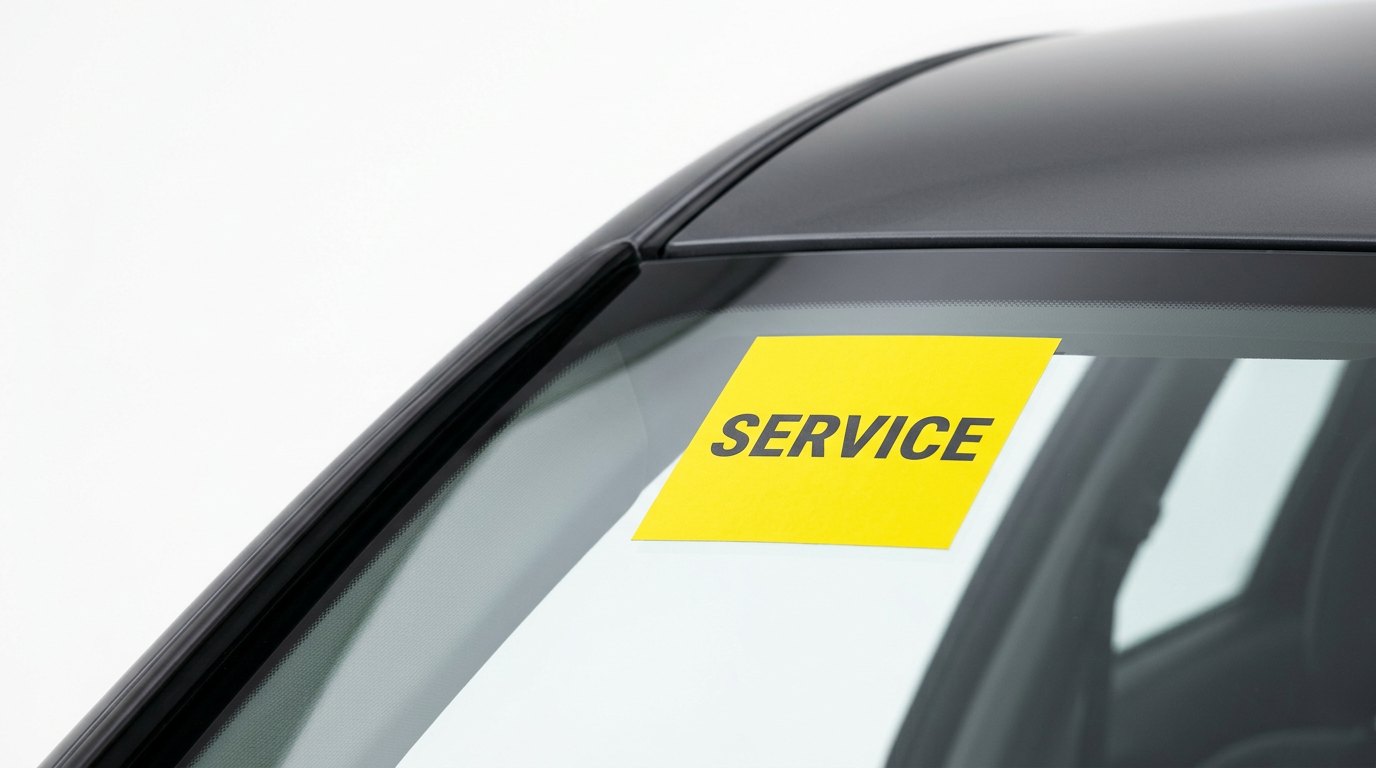
The mechanic's reminder. Yours can be a text.
Repeat customers come from a reminder sent when the job is due again. Not from loyalty. The job itself sets the date. A yearly service, a filter change, a check-up, a re-treatment. Send one short text a little before that date. The customer books you before anything goes wrong.
Without the text, the date passes in silence. The customer doesn’t track it, and nobody in your office does either. So a job you’d already earned never gets booked. Now count every customer on a yearly job. Each missed date is an open slot that had a name on it. That’s a good customer turning into a lead gone cold. Nobody did anything wrong.
A little before the next job is due. The last job you did sets the date.
How little before? Far enough ahead that you still have open times. Close enough that the job feels due. You know the right gap for your work.
Four kinds of work come with their own next date:
The trick is to write the date down while the job is fresh. On the day you finish, you know when they’ll need you next. A year later, nobody does. Keep it in one place, next to the customer’s name. A date in one place can send a reminder. A date in your head can’t.
No customer system yet? Start with your accounting software. Every invoice there has the name, the job and the date. Add the gap the job needs, like a year. Then put that date in your booking app or phone calendar.
The day you finish the job is the day you know the next one.
The whole loop is three steps:
Example wording only. Use the words you’d say at the door.
Not for a once-a-year job. Points and discounts suit a coffee shop, where people come in every week. Your customer may need you once a year. A points card sits in a drawer for eleven months. A reminder arrives the week it matters.
Loyalty still counts. It’s why they say yes when the message arrives. It just doesn’t send the text.
A good reminder names the job and when it’s due. Then it offers the next step, so they can answer in one word. If you add a deal, put it after the date. It should still read like a note from someone who knows their house.
Ask at the door, too. At the end of the job, ask: “Want me to put you down for next year?” Some will say yes on the spot. The text catches the rest.
This works for customers still on your books. If someone has already drifted away, a reminder is the wrong text. They need a plain win-back text instead.
In Income Mavericks, reminders like this can run on their own:
A good mechanic has always put a sticker on the windshield. This is the same sticker, sent as a text or a WhatsApp.
WhatsApp for business won't let you open a chat in your own words. Let the customer write first, answer within a day, and keep a few approved messages ready.
→
Customers can't judge your work before they hire you. They judge how fast you answer and whether you follow up. So do those the same way, every time.
→
You paid to win your past customers once. They know your work, and you have their number. A short, plain text asks them back.
→
Rather talk than read
Tell us what is breaking and we will tell you what it would take to stop it.